Table of Contents
Toggle
Post Views: 1,476
Key Subjects for Boiler Operators Engineering
- Boiler operator training in India encompasses various essential subjects to ensure that operators are well-versed in the operation, maintenance, safety, and regulatory compliance related to boilers.
- Here are the key subjects typically covered in boiler operator training programs in India:
1. Introduction to Boilers
- Types of Boilers (Fire-tube, Water-tube, Electric, etc.)
- Basic Principles of Boiler Operation
- Applications of Boilers in Industry
2. Boiler Construction and Design
- Boiler Components and Their Functions
- Boiler Materials and Manufacturing Processes
- Boiler Design Standards and Codes (Indian Boiler Regulations, IBR)
3. Boiler Operation
- Start-up and Shutdown Procedures
- Normal Operating Conditions
- Emergency Procedures
- Boiler Efficiency and Performance Monitoring
4. Combustion and Fuel
- Principles of Combustion
- Types of Fuels (Coal, Oil, Gas, Biomass)
- Fuel Handling and Storage
- Combustion Control Systems
5. Water Treatment and Management
- Importance of Water Quality in Boilers
- Water Treatment Processes (Softening, Deaeration, etc.)
- Boiler Water Chemistry and Testing
- Scaling and Corrosion Prevention
6. Maintenance and Troubleshooting
- Routine Maintenance Procedures
- Common Boiler Problems and Their Solutions
- Inspection Techniques
- Repair and Overhaul Procedures
7. Safety Procedures and Regulations
- Boiler Safety Practices and Precautions
- Personal Protective Equipment (PPE)
- Indian Boiler Regulations (IBR) and Compliance
- Safety Audits and Risk Management
8. Instrumentation and Control Systems
- Boiler Instrumentation (Pressure Gauges, Thermometers, etc.)
- Control Systems (Automatic and Manual Controls)
- Monitoring and Recording Instruments
- Alarm and Interlock Systems
9. Energy Conservation and Efficiency
- Energy Efficiency Measures
- Heat Recovery Systems
- Boiler Insulation and Minimizing Heat Losses
- Environmental Impact and Emission Controls
10. Practical Training
- Hands-On Training with Boilers
- Real-Life Scenarios and Simulations
- Plant Visits and Industrial Exposure
- Practical Exams and Assessments
11. Certification and Licensing
In India, boiler operators are required to obtain certification and licenses, often mandated by state boiler inspectorates. This typically involves:
- Completing an approved training program.
- Passing written and practical examinations.
- Gaining a certain amount of hands-on experience, often verified by an employer.
11.Training Institutes
Several institutions in India offer boiler operator training, including:
- National Power Training Institute (NPTI)
- Indian Boiler Manufacturer’s Association (IBMA)
- State Technical Education Boards
- Industrial Training Institutes (ITIs)
These institutes provide both theoretical knowledge and practical skills, ensuring that boiler operators are well-prepared for their responsibilities.
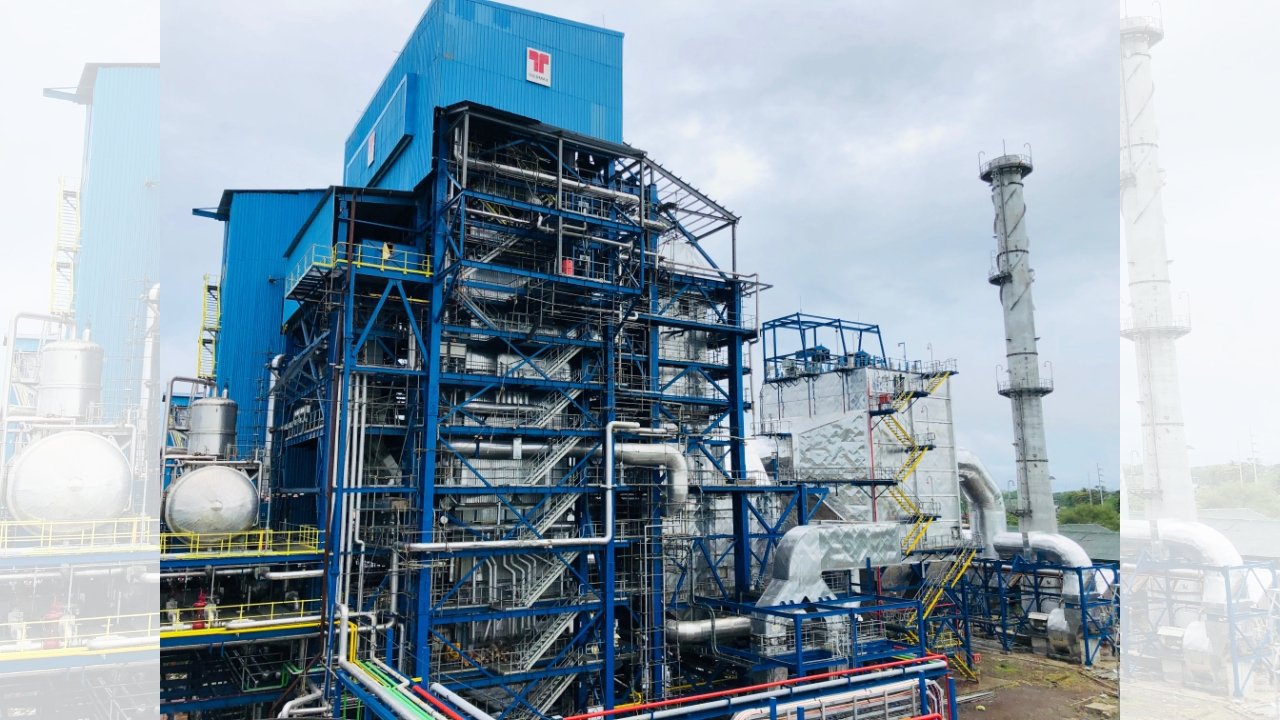
Key Components of a Boiler
- Burner: Provides the heat by burning fuel.
- Combustion Chamber: Where the fuel is burned.
- Heat Exchanger: Transfers heat from the combustion gases to the water.
- Controls and Safety Devices: Regulate the operation of the boiler and ensure safe functioning.
- Steam or Hot Water System: Delivers the heated fluid to the point of use.

Applications of Boilers
- Power Generation: Steam boilers are a critical component in thermal power plants for electricity generation.
- Industrial Processes: Used in manufacturing processes, chemical production, refining, and food processing.
- Heating Systems: Provide central heating in buildings and district heating systems.
- Sanitation and Cooking: Boilers are used for hot water supply in sanitation systems and large-scale cooking in food service industries.
Boiler industry
- Domestic Manufacturers:
- BHEL (Bharat Heavy Electricals Limited)
- Thermax Limited
- Larsen & Toubro (L&T)
- Forbes Marshall
- Cheema Boilers Limited
International Companies:
-
- Babcock and Wilcox
- Fosterwheel
- General Electric
- Siemens
- Alstom
- Bosch
- Cleaver-Brooks
- Hitachi
Boiler Operation Engineers (BOE) Examination in India
- BOE Exam Course and syllabus : BOE India
Scope of Boiler Operator Engineering
- Boiler operators, also known as boiler engineers or stationary engineers, are responsible for maintaining and operating boilers and other mechanical systems in various facilities.
- Their role ensures that these systems run efficiently and safely, providing essential services such as heating, cooling, and power generation.
Key Responsibilities
- Operation and Maintenance:
- Start-up and shut-down procedures for boilers.
- Monitoring gauges, meters, and control panels.
- Performing routine inspections and maintenance.
- Identifying and troubleshooting issues to prevent downtime.
- Safety and Compliance:
- Adhering to safety protocols to prevent accidents.
- Ensuring compliance with local, state, and federal regulations.
- Conducting safety drills and training for emergency situations.
- Repairs and Upgrades:
- Performing minor and major repairs on boilers and associated equipment.
- Upgrading systems for improved efficiency and compliance with new regulations.
- Coordinating with other engineers and contractors for large-scale repairs or installations.
- Documentation and Reporting:
- Maintaining logs of operation, maintenance, and safety checks.
- Preparing reports for management and regulatory bodies.
- Documenting incidents and corrective actions taken.
Skills and Qualifications
- Technical Knowledge: Understanding of thermodynamics, fluid mechanics, and electrical systems.
- Problem-Solving Skills: Ability to diagnose and resolve issues quickly.
- Attention to Detail: Ensuring accurate monitoring and documentation.
- Communication Skills: Coordinating with team members and reporting to supervisors.
- Certifications: Often required to hold licenses or certifications depending on the region (e.g., ASME, National Board of Boiler and Pressure Vessel Inspectors).
Career Opportunities
- Industrial Facilities: Power plants, manufacturing plants, and refineries.
- Commercial Buildings: Hospitals, schools, and office buildings.
- Public Sector: Government buildings and infrastructure projects.
- Maintenance Companies: Firms specializing in maintenance and repair services.
Advancements and Specializations
- Advanced Boiler Systems: Working with more complex systems such as high-pressure boilers or those utilizing alternative fuels.
- Energy Management: Focusing on optimizing energy use and reducing costs.
- Environmental Compliance: Ensuring systems meet environmental standards and reducing emissions.
Future Trends
- Green Technologies: Integration of renewable energy sources and improving boiler efficiency.
- Automation: Increasing use of automated systems and IoT for monitoring and controlling boilers.
- Sustainability: Focus on reducing the carbon footprint of boiler systems.
Conclusion
- Understanding the basics of boilers, including their types, components, and applications, is crucial for anyone involved in their operation, maintenance, or design. Boilers play a vital role in various industries, and their efficient and safe operation is essential for the smooth functioning of many processes.
Most Commons Questions in BOE Exams
- Boiler Operator Engineering (BOE) exams typically assess a candidate’s understanding of boiler operation, maintenance, and safety. The questions cover a wide range of technical topics related to boilers, their components, and the associated mechanical and thermodynamic principles.
- Below are some of the most common types of questions that appear in BOE exams:
Boiler Components and Functionality:
- What are the main parts of a boiler, and what are their functions?
- Explain the working principle of a fire-tube boiler vs. a water-tube boiler.
- What are boiler mountings and accessories? Name a few and explain their functions.
- What is a steam drum, and what is its purpose in the boiler system?
Boiler Operation:
- Explain the steps involved in the startup and shutdown procedure of a boiler.
- What are the safety precautions to be followed during boiler operation?
- How does a steam trap work, and where is it used in a boiler system?
- How is boiler water level maintained, and why is it critical?
Boiler Safety:
- What are the different types of safety valves used in boilers, and how do they function?
- What is a fusible plug, and how does it contribute to boiler safety?
- What are the common causes of boiler explosions, and how can they be prevented?
Thermodynamics and Heat Transfer:
- What is the difference between sensible heat and latent heat?
- Explain the Rankine Cycle and its application in boiler operation.
- Define boiler efficiency. How is it calculated?
- What are the factors that affect heat transfer in boilers?
Fuel and Combustion:
- What is the calorific value of a fuel, and why is it important?
- Explain the air-fuel ratio and its significance in boiler combustion.
- What is excess air, and how does it affect boiler efficiency?
- What are the types of fuels used in boilers, and what are the advantages and disadvantages of each?
Water Treatment and Steam Quality:
- Why is water treatment necessary in boilers?
- What is boiler feedwater, and what are its key characteristics?
- What is the purpose of blowdown in boilers?
- Explain the common water impurities and how they affect boiler operation.
Maintenance and Troubleshooting:
- What are the common causes of boiler tube failure, and how can they be prevented?
- What are the signs of boiler corrosion, and how can it be controlled?
- What is scaling in boilers, and how does it affect boiler efficiency?
- How do you troubleshoot low steam pressure in a boiler?
Instrumentation and Control:
- What are the types of pressure gauges used in boilers?
- How do boiler control systems work? Explain the purpose of a feedwater control system.
- What is the role of automatic control systems in boilers, and why are they important?
Boiler Efficiency and Performance Testing:
- What is the purpose of a boiler performance test, and how is it conducted?
- How do you calculate the evaporation ratio of a boiler?
- What are the methods used to improve boiler efficiency?
Boiler Codes and Standards:
- What are the key safety codes for boiler operation?
- What is the IBR (Indian Boiler Regulations), and what does it cover?
- What are the statutory requirements for boiler inspection and certification?
Boiler Calculations:
- How do you calculate the steam generation capacity of a boiler?
- Explain the heat balance sheet for a boiler.
- What is the formula for calculating boiler blowdown?
Miscellaneous:
- What is a deaerator, and why is it used in boiler systems?
- What are economizers and superheaters? Explain their roles in increasing boiler efficiency.
- What are the various types of boiler draught systems, and how do they function?
Practical Questions:
- What are the steps to take in the event of a boiler feed pump failure?
- How would you handle a sudden increase in steam pressure?
Tips for BOE Exam Preparation:
- Focus on safety: Many questions revolve around safe operation and understanding boiler risks.
- Practice numericals: Efficiency calculations, steam flow rates, and thermodynamics are important.
- Understand codes: Be familiar with IBR and other boiler standards.
- Maintenance knowledge: Questions often touch on troubleshooting and preventive maintenance.
These topics provide a broad overview of what to expect, though the exam might include specific regional regulations or unique operational scenarios based on the industry.